


Hot work tool steel is a crucial material in various industries, especially those involving high - temperature metal forming processes such as forging, die - casting, and extrusion. As a hot work tool steel supplier, I have gained in - depth knowledge of its high - temperature performance characteristics over the years. This blog will explore these characteristics in detail, which will be beneficial for those who are considering purchasing hot work tool steel for their specific applications.
1. High - Temperature Strength
One of the most significant performance characteristics of hot work tool steel is its high - temperature strength. When the steel is exposed to high temperatures during hot working processes, it must maintain its strength to withstand the immense forces involved. For instance, in forging operations, the tool steel is subjected to high pressures as it shapes the hot metal. If the steel loses its strength at high temperatures, it will deform prematurely, leading to inaccurate part dimensions and reduced tool life.
The high - temperature strength of hot work tool steel is mainly attributed to its alloy composition. Elements such as chromium (Cr), molybdenum (Mo), and vanadium (V) play a crucial role. Chromium forms a stable oxide layer on the surface of the steel, protecting it from oxidation and enhancing its high - temperature strength. Molybdenum and vanadium contribute to the formation of fine carbides within the steel matrix. These carbides act as obstacles to dislocation movement, which is the primary mechanism of plastic deformation. As a result, the steel can maintain its hardness and strength even at elevated temperatures. For more information on different types of hot work tool steel, you can visit Hot Work Die Steel.
2. Thermal Fatigue Resistance
Thermal fatigue is a major concern in hot working processes. During each working cycle, the hot work tool steel is heated to a high temperature when it comes into contact with the hot metal and then cooled rapidly when the formed part is removed. This repeated heating and cooling cycle causes thermal stresses within the steel, which can lead to the initiation and propagation of cracks. If the steel has poor thermal fatigue resistance, these cracks will grow over time, eventually causing the tool to fail.
Hot work tool steel is designed to have good thermal fatigue resistance. The alloying elements mentioned earlier, such as chromium and molybdenum, help to improve the steel's ability to withstand thermal stresses. Additionally, the steel's microstructure also plays a vital role. A fine - grained microstructure is generally more resistant to thermal fatigue than a coarse - grained one. This is because fine grains can better accommodate the thermal stresses by allowing more uniform deformation. Hot Die Steel is an excellent example of hot work tool steel with good thermal fatigue resistance.
3. Oxidation Resistance
In high - temperature environments, oxidation is a common problem that can affect the performance of hot work tool steel. When the steel is exposed to oxygen at high temperatures, it forms an oxide layer on its surface. If this oxide layer is not stable, it will continue to grow, leading to the degradation of the steel's surface and a reduction in its mechanical properties.

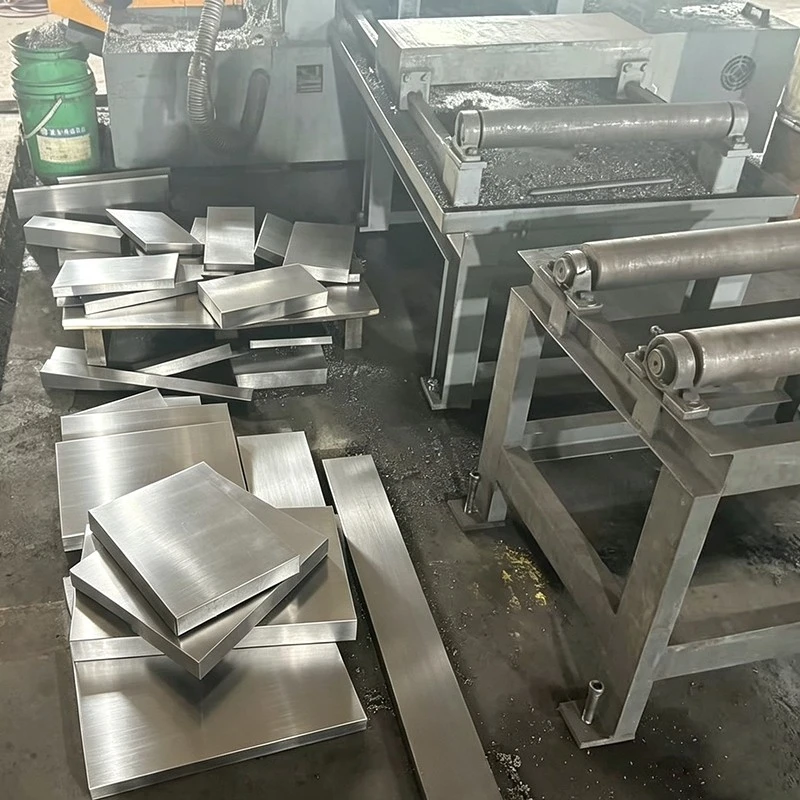
Hot work tool steel is formulated to have good oxidation resistance. The addition of chromium is particularly effective in this regard. Chromium reacts with oxygen to form a dense and adherent chromium oxide layer on the surface of the steel. This layer acts as a barrier, preventing further oxidation of the underlying steel. Other elements, such as silicon (Si), can also enhance the oxidation resistance of the steel. By choosing the right type of hot work tool steel, such as SKD5 Tool Steel, manufacturers can ensure that their tools have a long service life even in high - temperature and oxidizing environments.
4. Thermal Conductivity
Thermal conductivity is another important characteristic of hot work tool steel. Good thermal conductivity allows the steel to dissipate heat quickly during the hot working process. This is beneficial for several reasons. Firstly, it helps to reduce the thermal stresses within the steel, which in turn improves its thermal fatigue resistance. Secondly, it can prevent the over - heating of the tool, which could lead to a loss of strength and hardness.
The thermal conductivity of hot work tool steel can be influenced by its alloy composition and microstructure. Generally, steels with a lower alloy content tend to have higher thermal conductivity. However, reducing the alloy content may also affect other important properties such as strength and oxidation resistance. Therefore, a balance needs to be struck. 1.2888 Tool Steel is known for having a relatively good balance between thermal conductivity and other performance characteristics.
5. Toughness at High Temperatures
Toughness is the ability of a material to absorb energy and deform plastically before fracturing. In hot working processes, hot work tool steel needs to have sufficient toughness at high temperatures. This is because the steel is often subjected to impact loads during operations such as forging and die - casting. If the steel is too brittle at high temperatures, it will crack easily under these impact loads.
The toughness of hot work tool steel at high temperatures is related to its alloy composition and heat treatment. Elements such as nickel (Ni) can improve the steel's toughness by enhancing its ductility. Proper heat treatment can also optimize the steel's microstructure, leading to better toughness. For example, quenching and tempering can refine the grain structure and relieve internal stresses, which is beneficial for improving the steel's toughness. Hot Work Steel is available in different grades with varying levels of high - temperature toughness to meet different application requirements.
Choosing the Right Hot Work Tool Steel for Your Needs
Selecting the appropriate hot work tool steel depends on several factors, including the specific hot working process, the temperature range, the type of metal being processed, and the expected service life of the tool. For example, if the process involves high - temperature forging with high impact loads, a steel with high strength and toughness at high temperatures would be required. On the other hand, if the process is more about die - casting with less impact but a greater concern for thermal fatigue, a steel with excellent thermal fatigue resistance and oxidation resistance would be a better choice.
As a hot work tool steel supplier, I can provide professional advice on choosing the right steel for your specific needs. We have a wide range of hot work tool steel products in stock, and our technical team can also assist you with any questions related to heat treatment, machining, and application of the steel.
If you are in the market for high - quality hot work tool steel, don't hesitate to contact us for a purchase negotiation. We are committed to providing you with the best products and services to meet your industrial requirements.
References
- Wayne, R. A. (2004). Hot Work Tool Steels. ASM International.
- Bhadeshia, H. K. D. H., & Honeycombe, R. W. K. (2006). Steels: Microstructure and Properties, Steelmaking and Process Metallurgy. Butterworth - Heinemann.
- Davis, J. R. (2001). Tool Steels. ASM International.


